
The archetypal slab-leak market
No area in Anaheim matches West Anaheim for slab-leak density: 1950s and 1960s ranches on slabs, with galvanised supply and cast-iron drains at end of life. Slab leak repair is the signature job here.
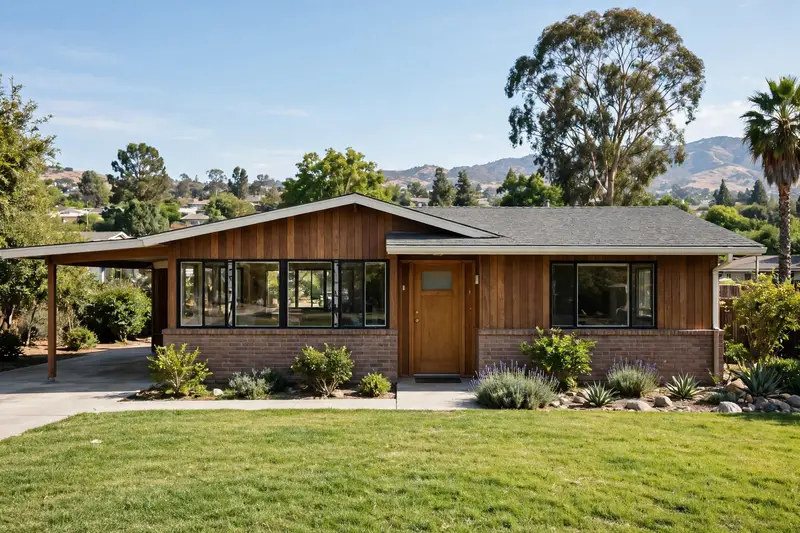
West Anaheim's housing tells the story in one line: post-war slab ranches, with a listing median year built around 1958, plus a strong condo, townhouse and apartment mix. The slab lines under those ranches have carried pressure for decades, the cast-iron drains are old enough for roots and corrosion to matter, and small lots mean one home's sewer failure is quickly a neighbour's problem too. Mobile-home parks add a further wrinkle, because park-owned versus home-owned lines must be verified per park, never generalised.
West Anaheim calls most often for slab leak repair, leak detection, repiping and sewer camera inspection, with drain cleaning and water heater work close behind. Gas line repair is also available; see the gas line repair page.

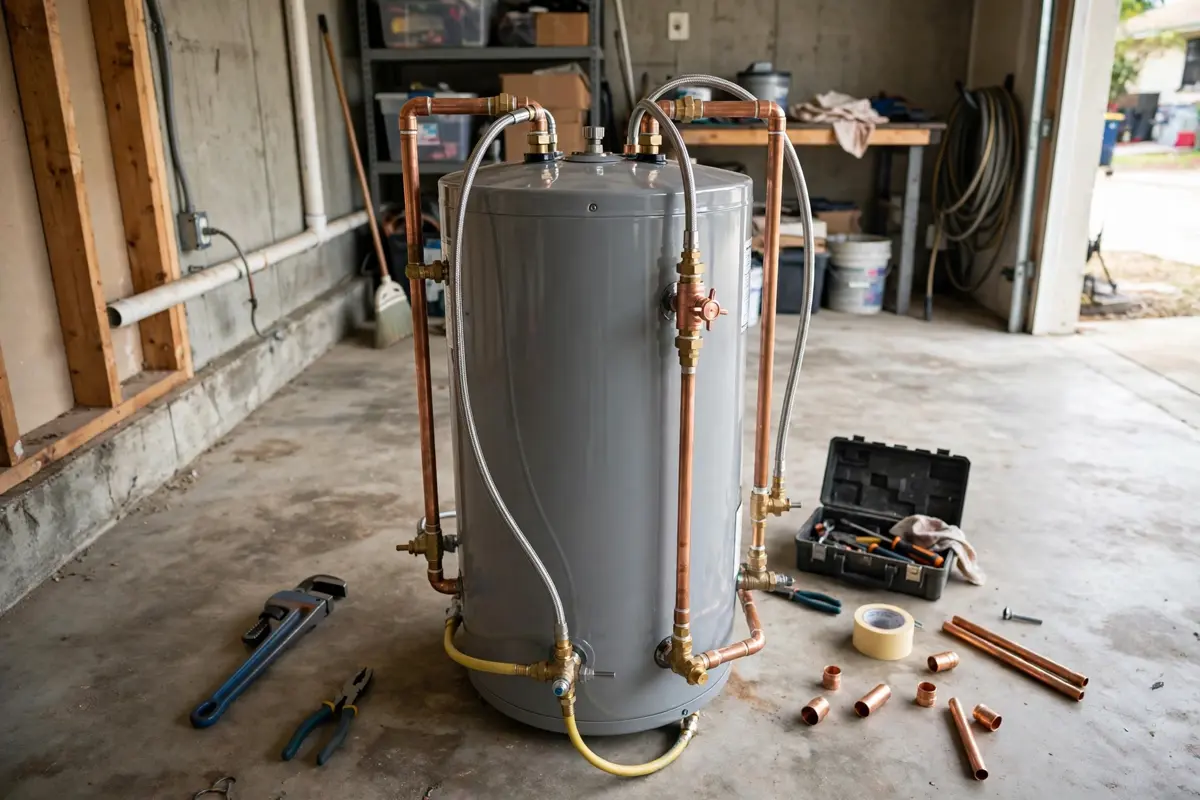
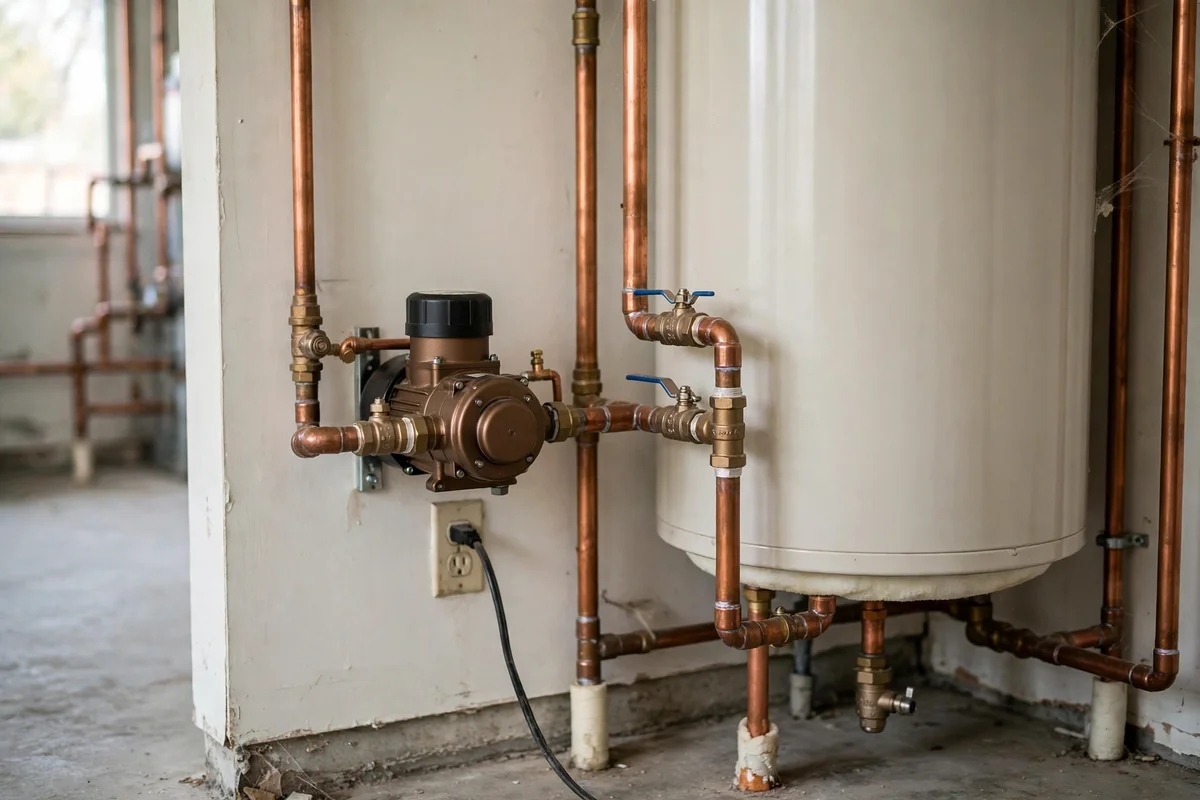
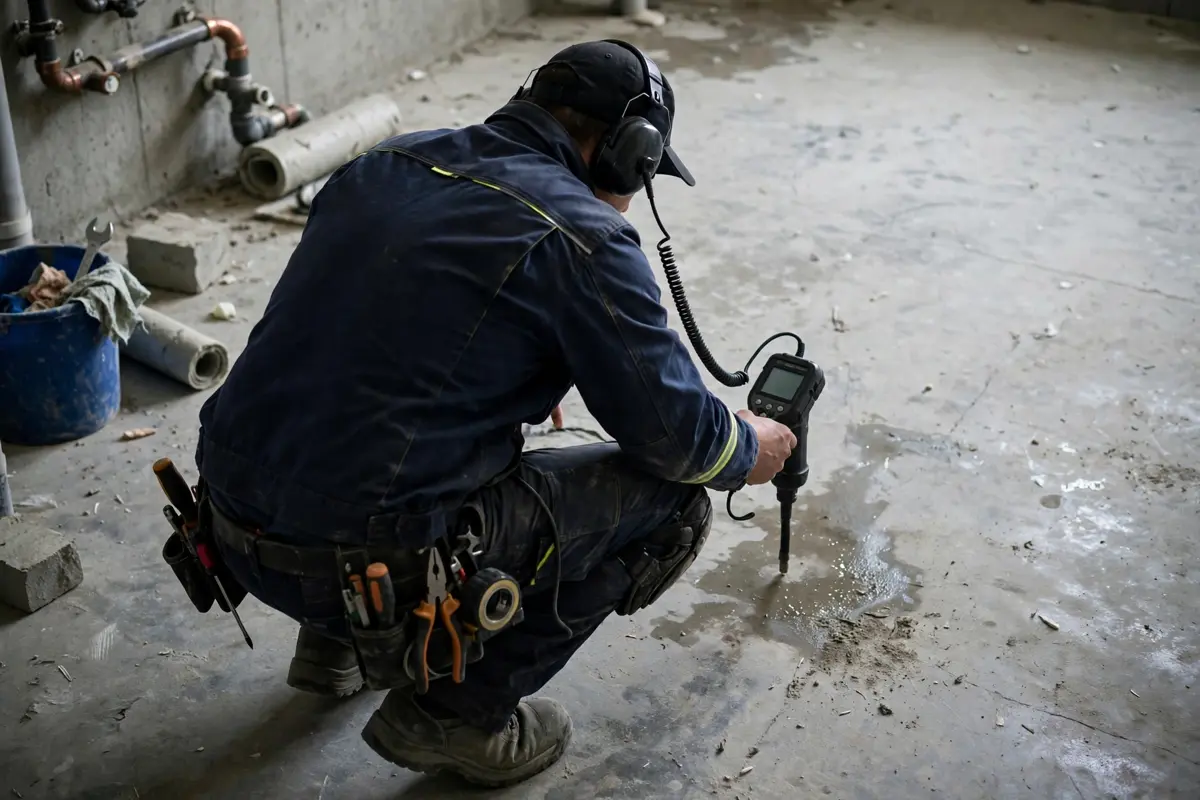
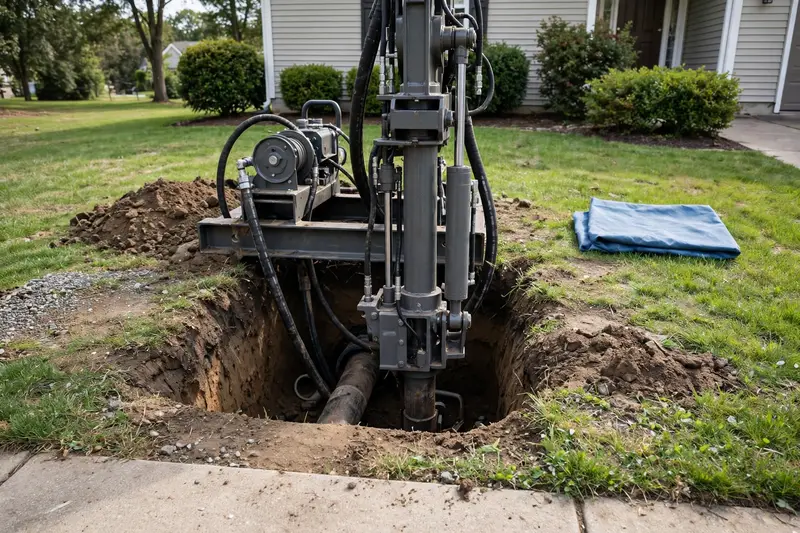
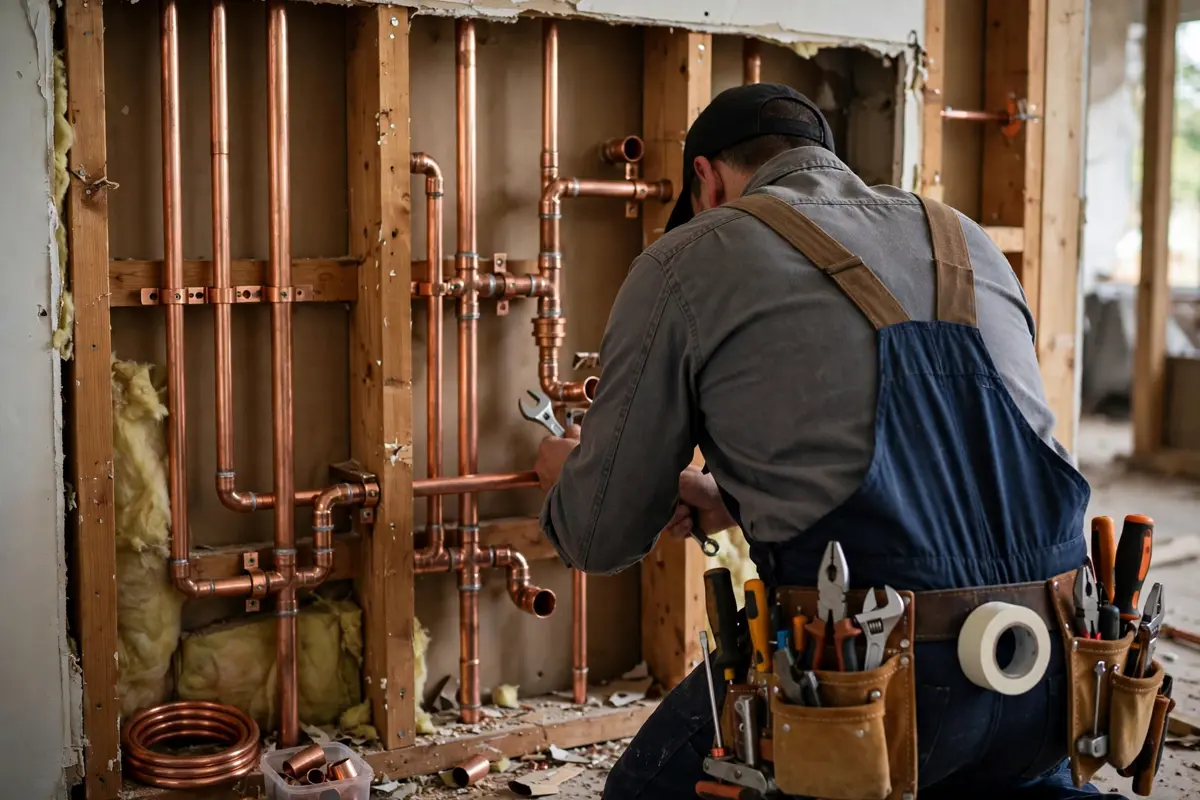
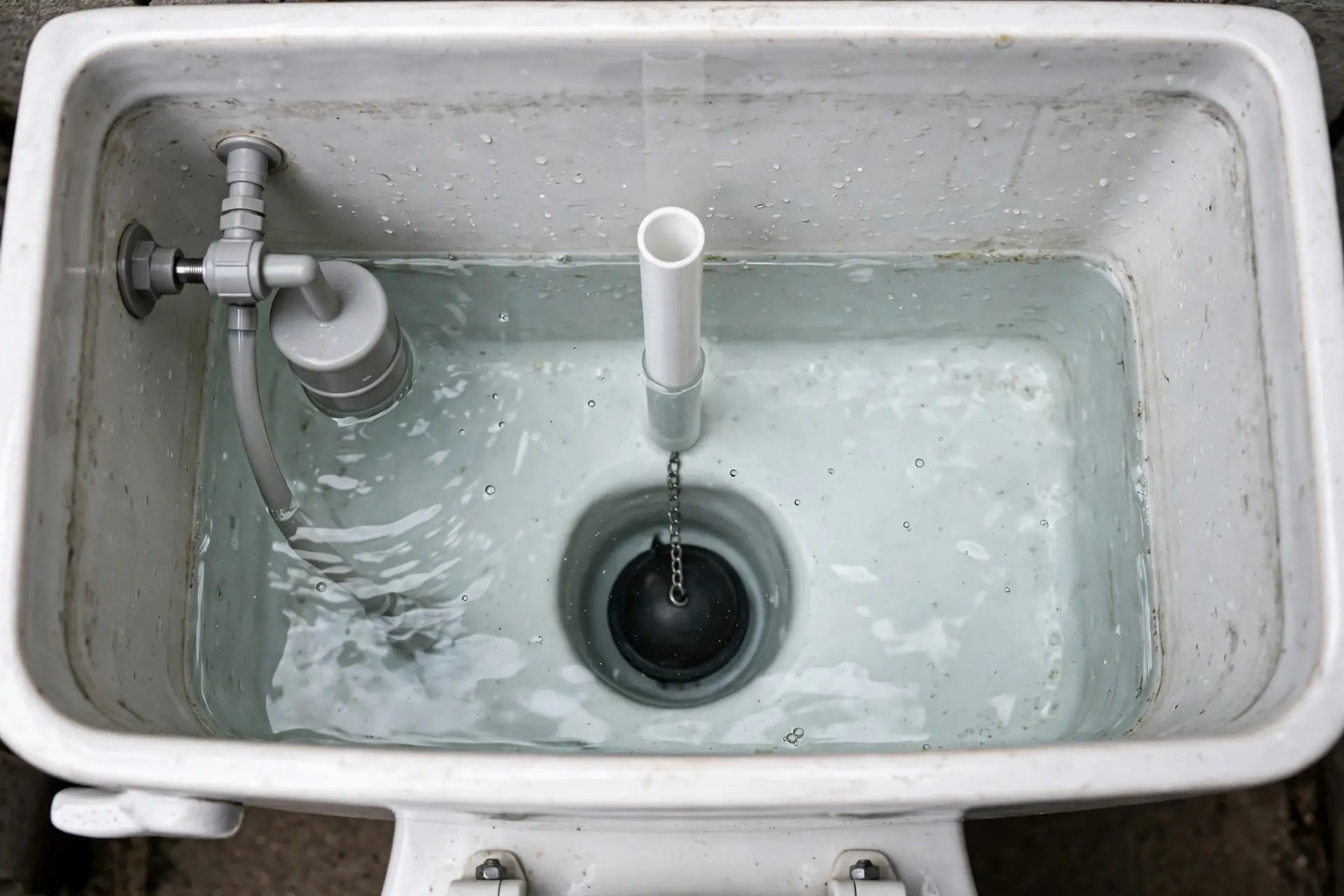
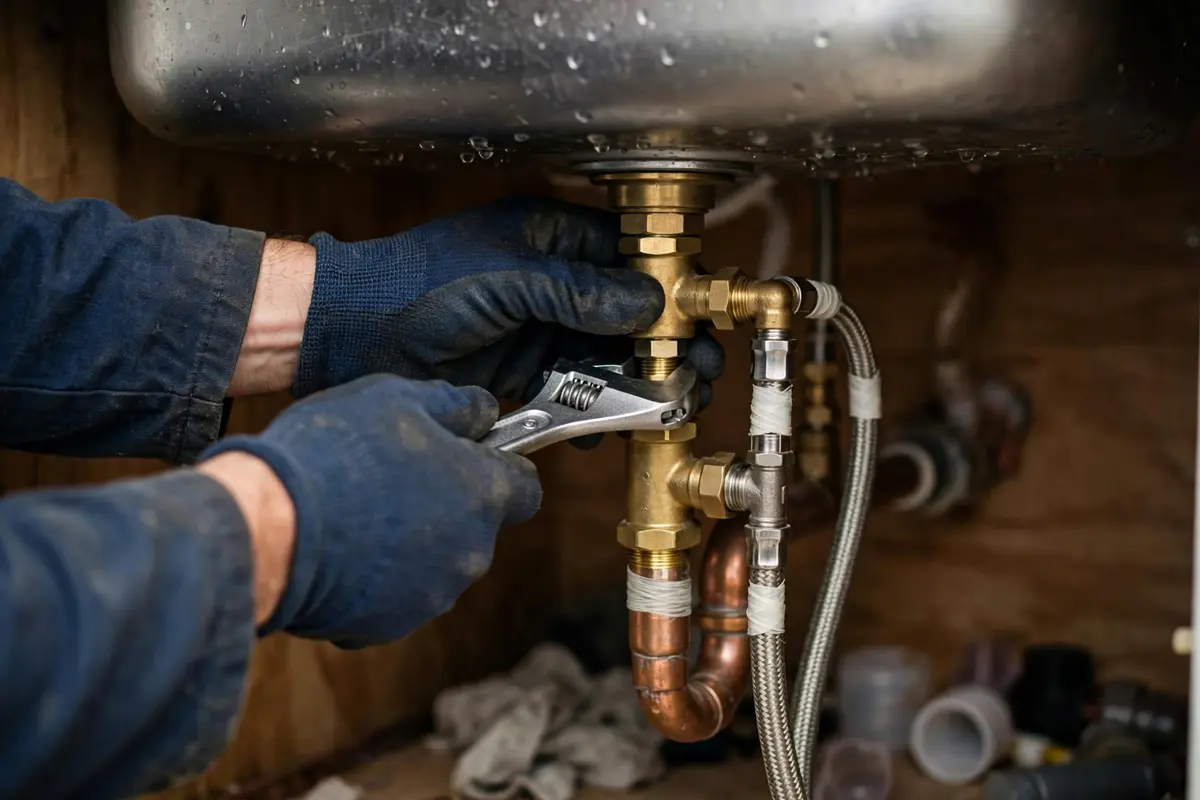
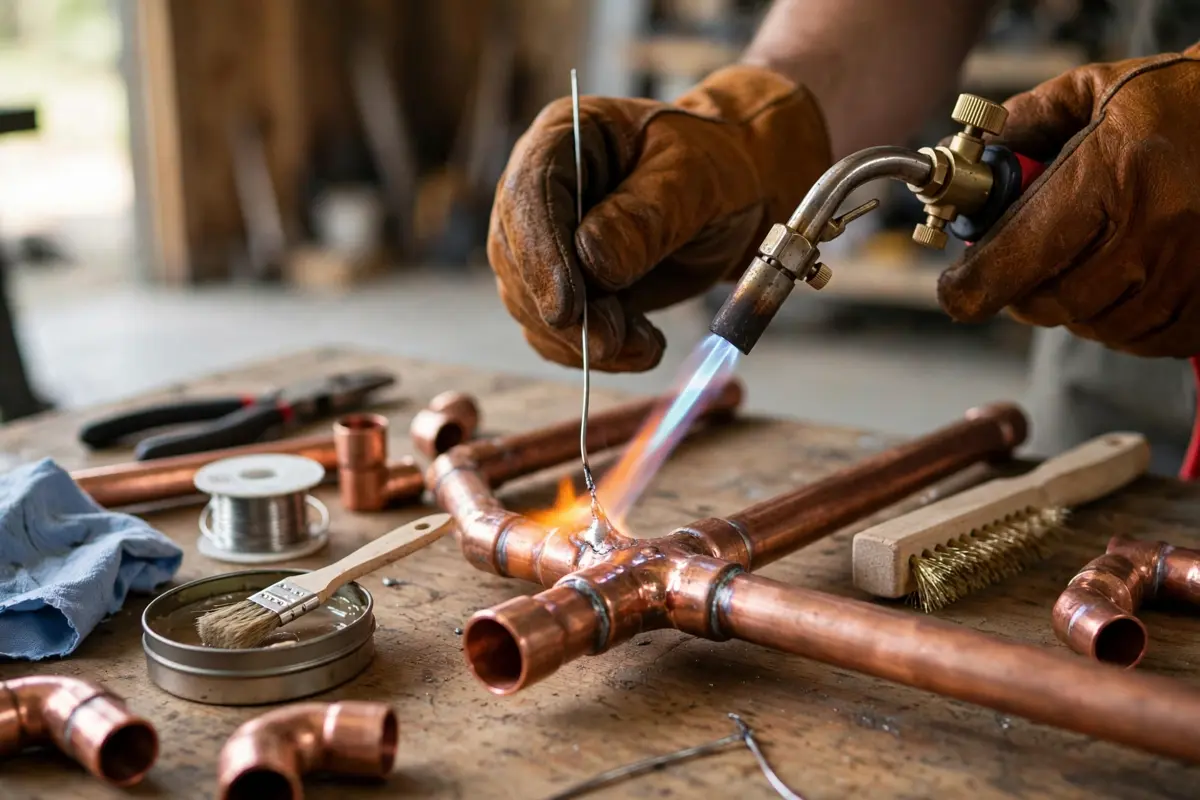
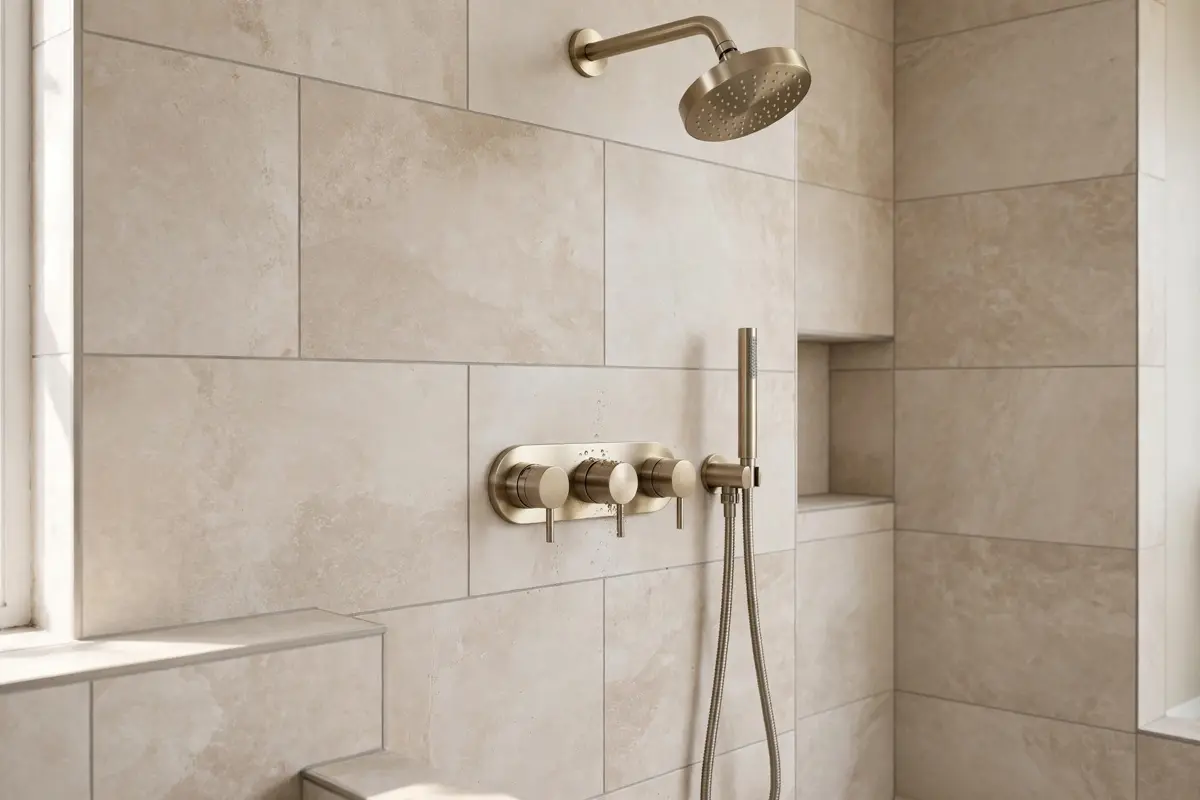

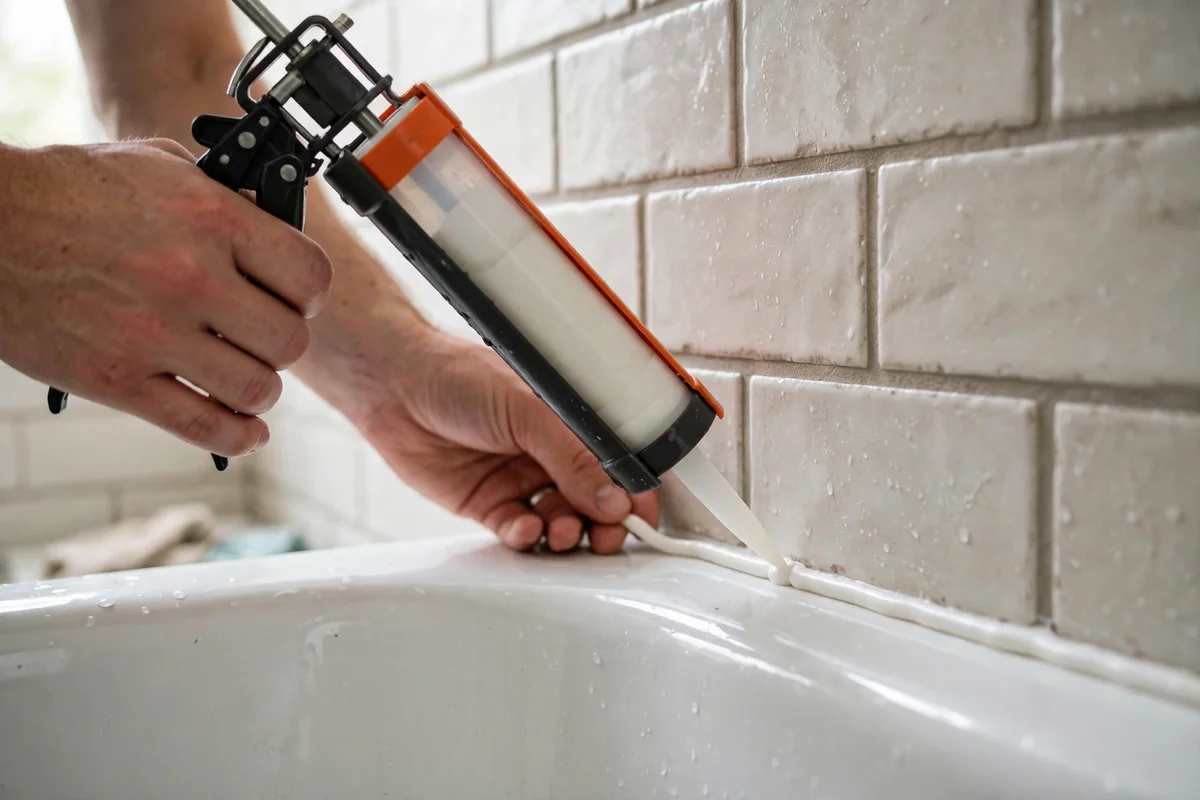
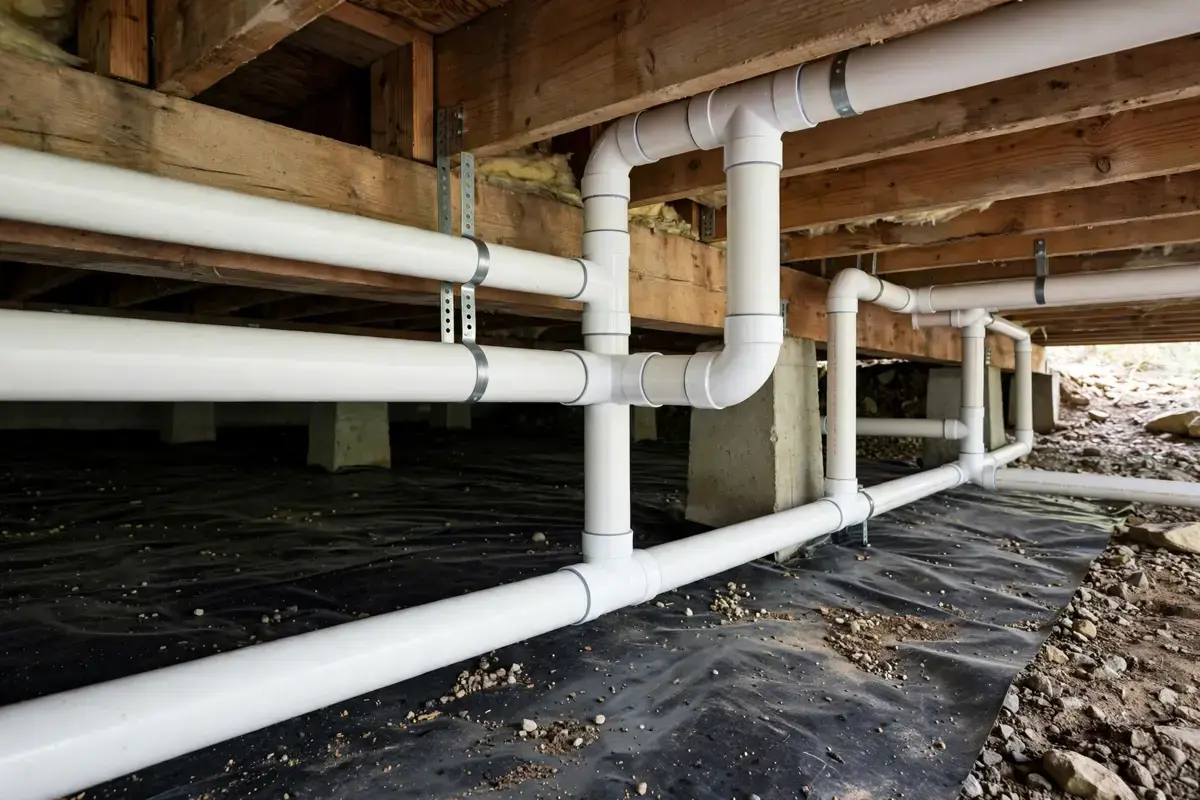
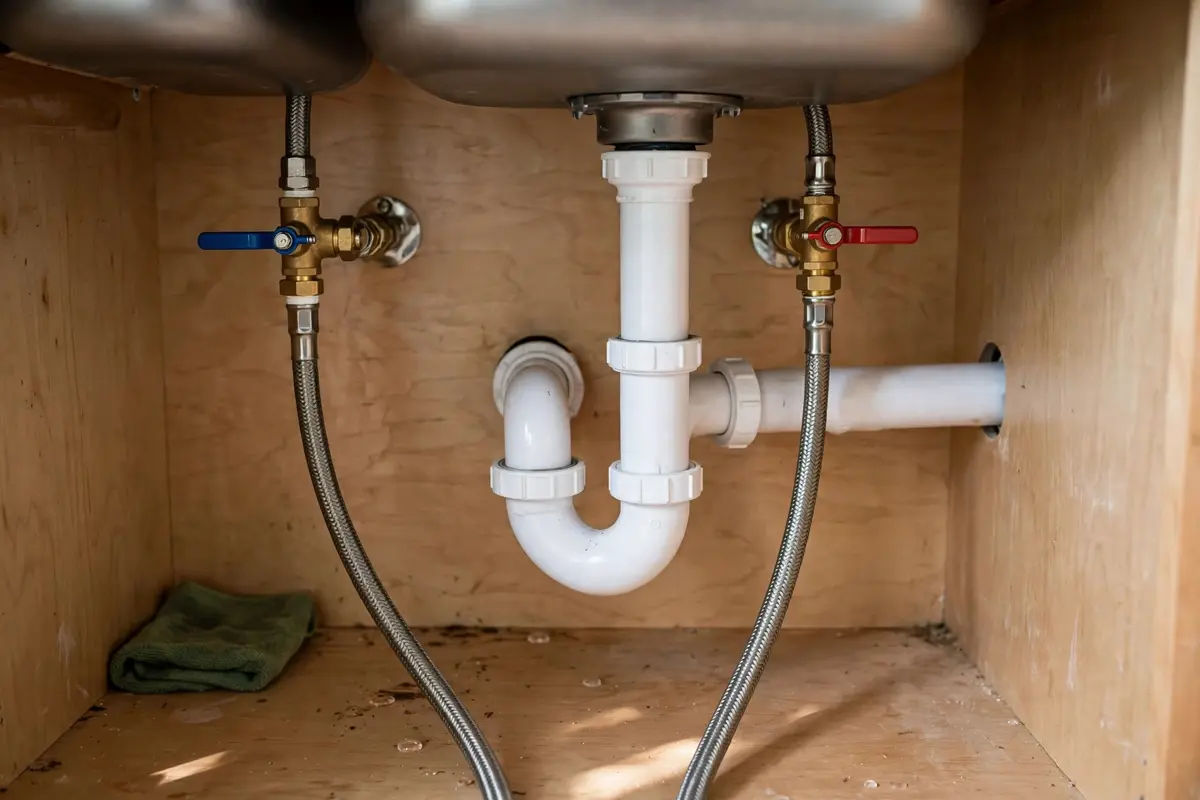
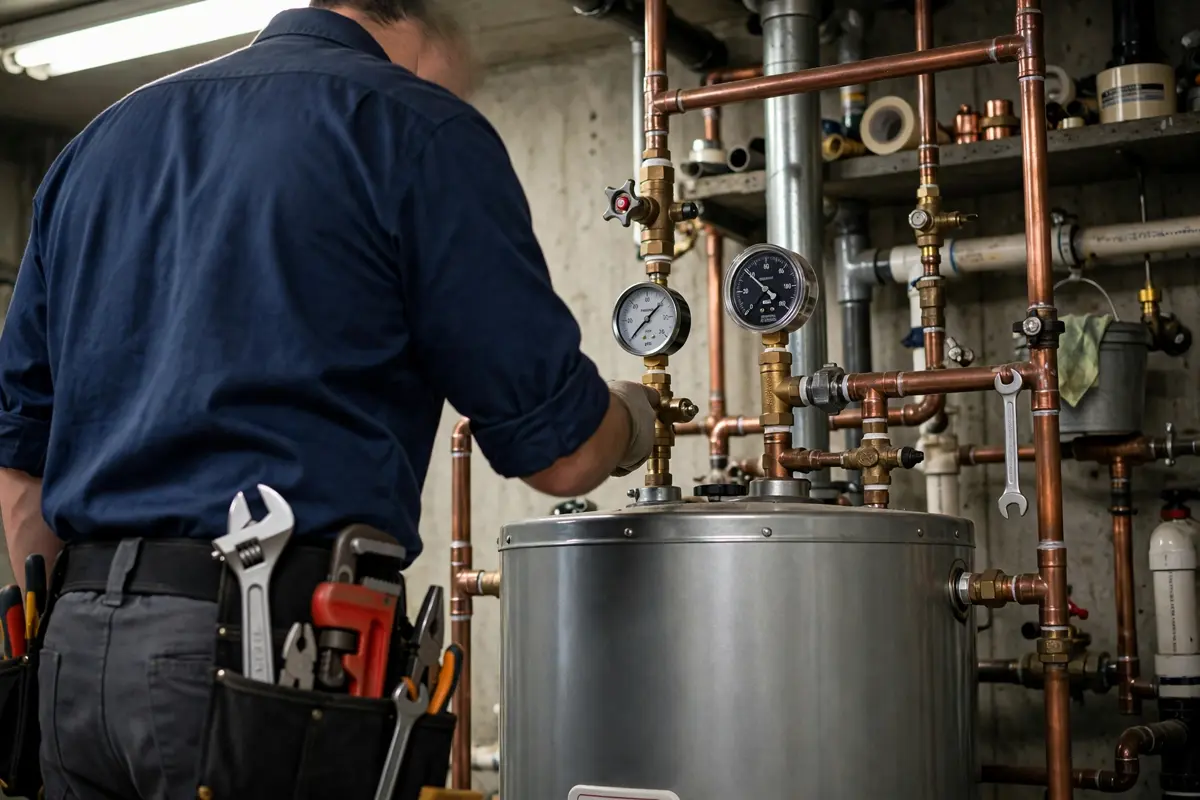
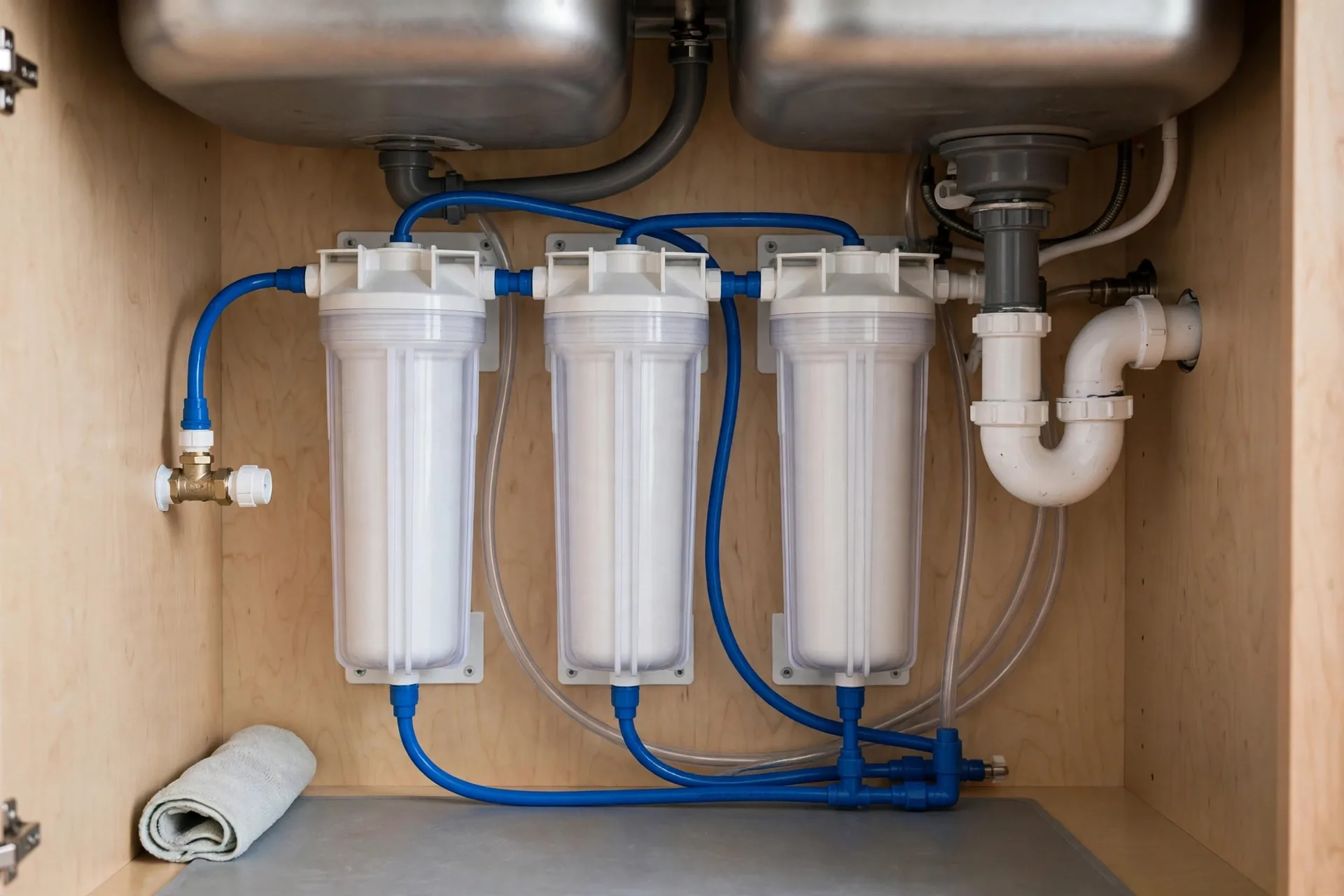
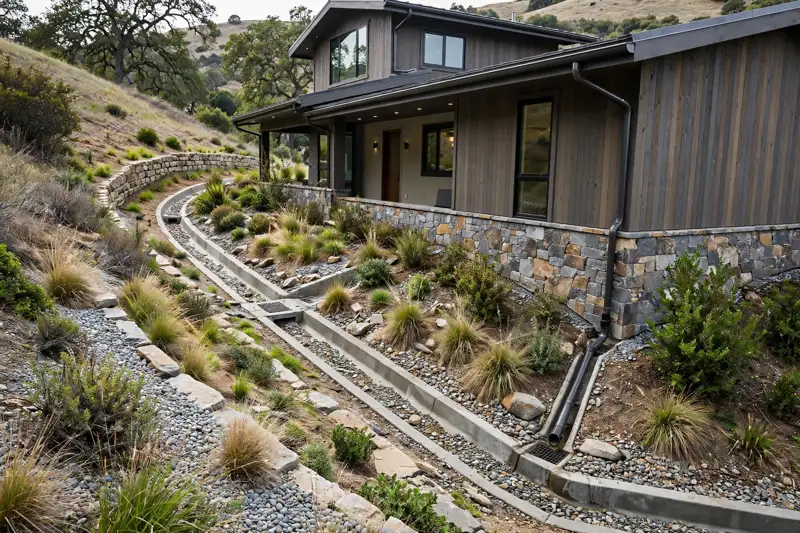
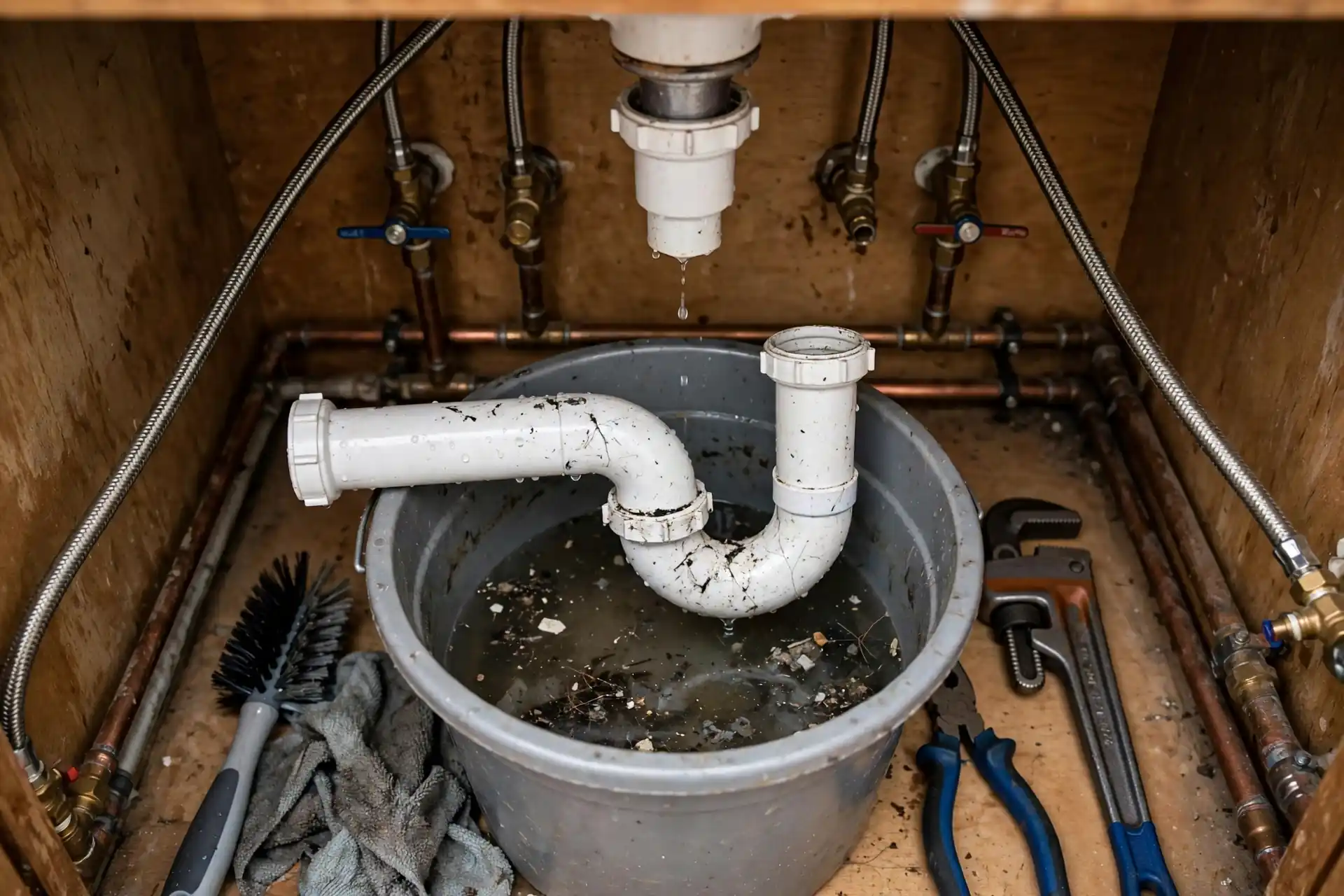
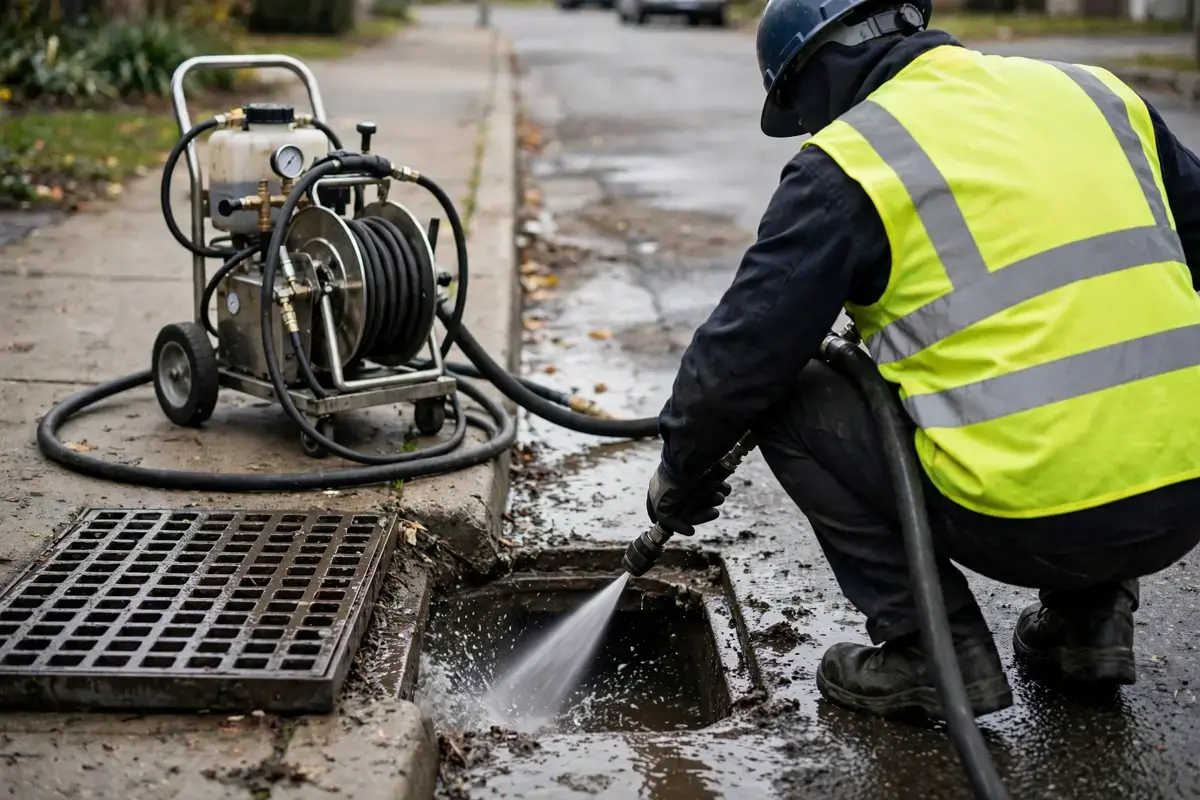
West Anaheim's problems are the classic post-war set, made sharper by small lots and a mixed housing stock.
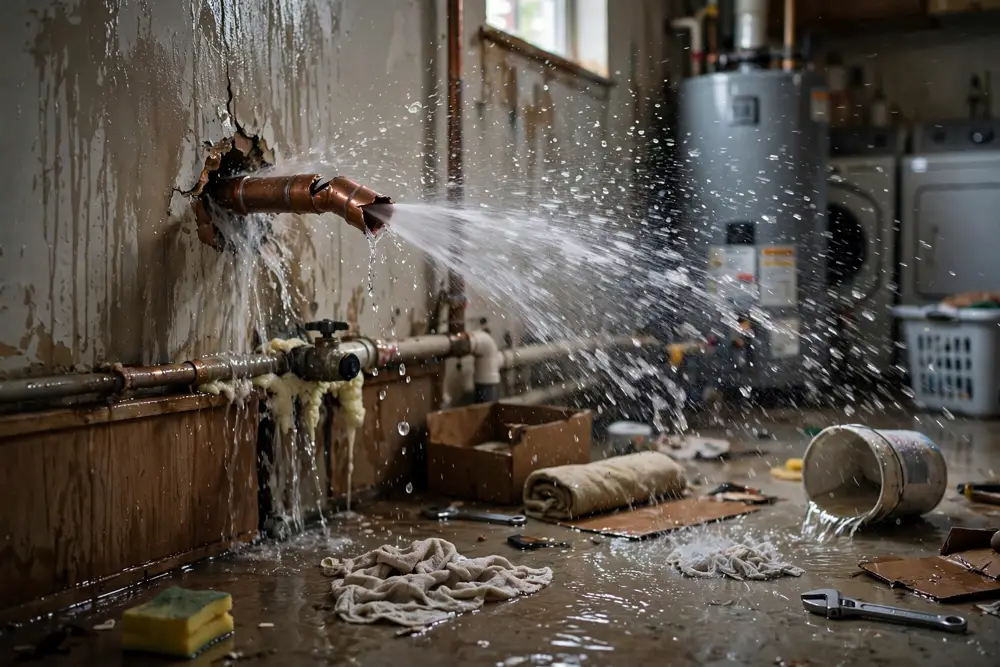
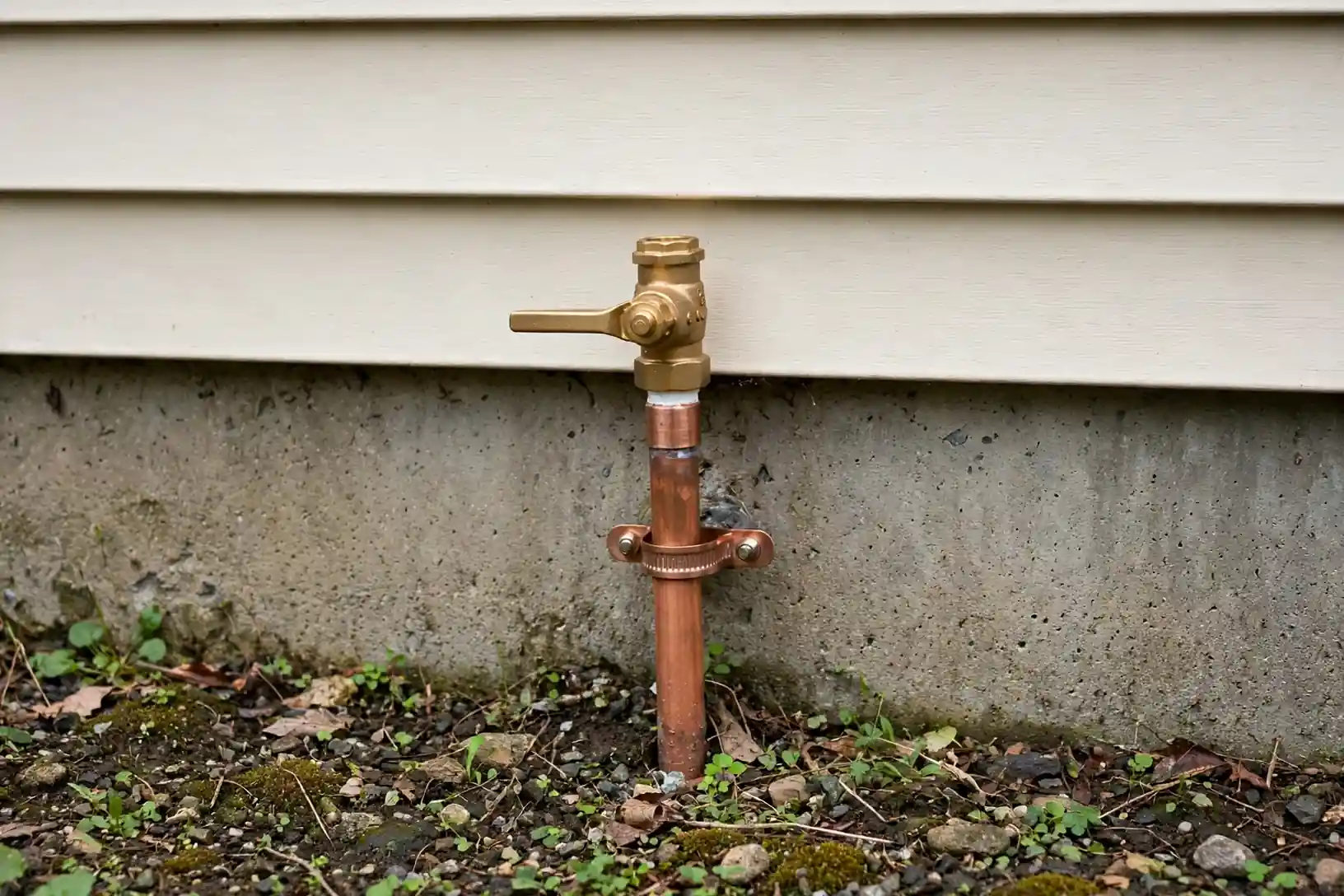
Copper and galvanised lines under 1950s and 1960s slabs wear through at joints and thin spots after decades under pressure. A warm floor patch, a damp edge or a rising bill is the usual first sign, and location work comes before any repair decision.
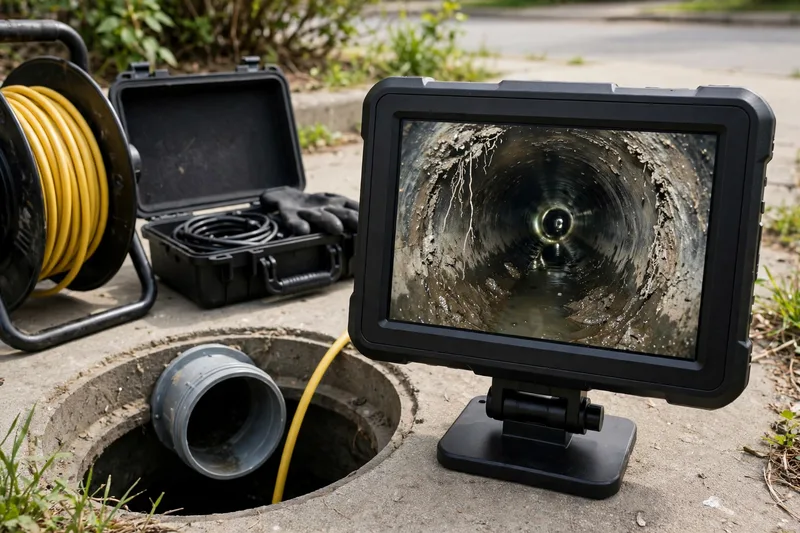
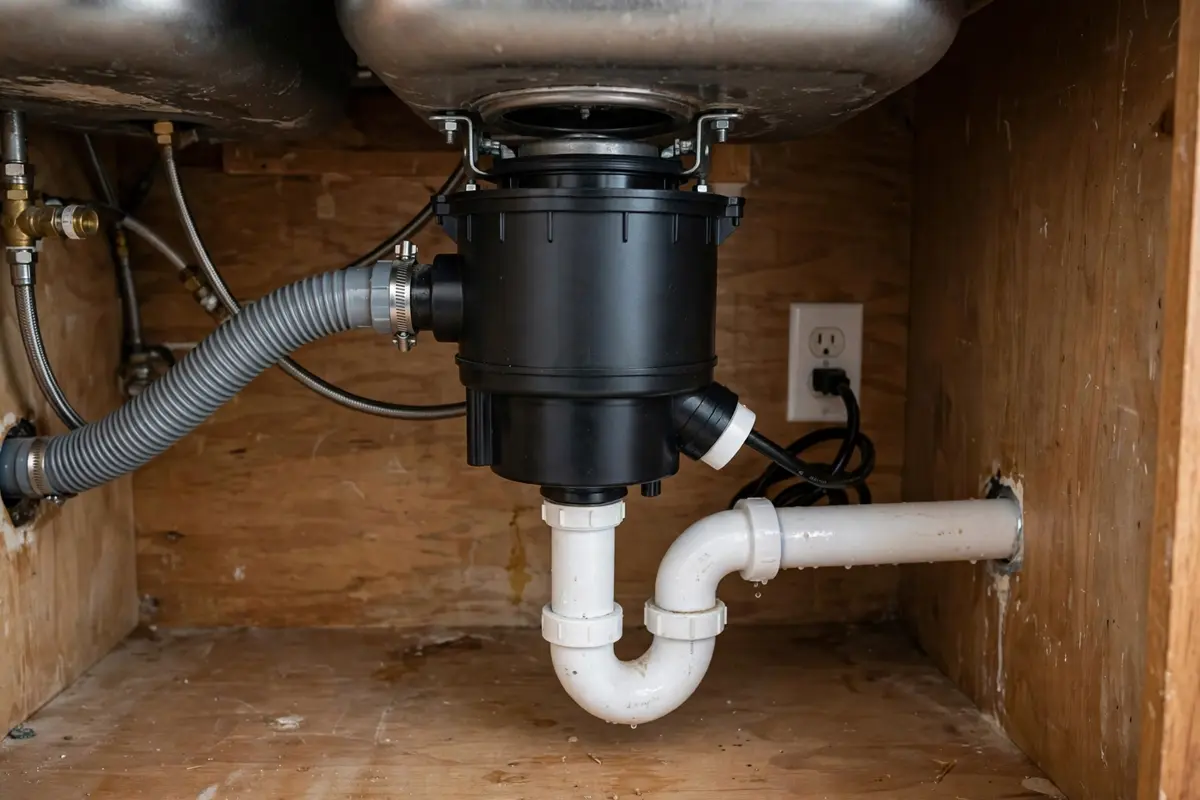
Mature trees on small lots send roots toward moisture in old clay and cast-iron laterals. A camera inspection shows whether the problem is roots, a crack or a collapsed section, and each of those has a different fix.
Galvanised supply pipe corrodes from the inside, so pressure fades house-wide as the bore narrows. When pressure loss is everywhere rather than at one faucet, the material itself is the suspect, and repiping enters the conversation.
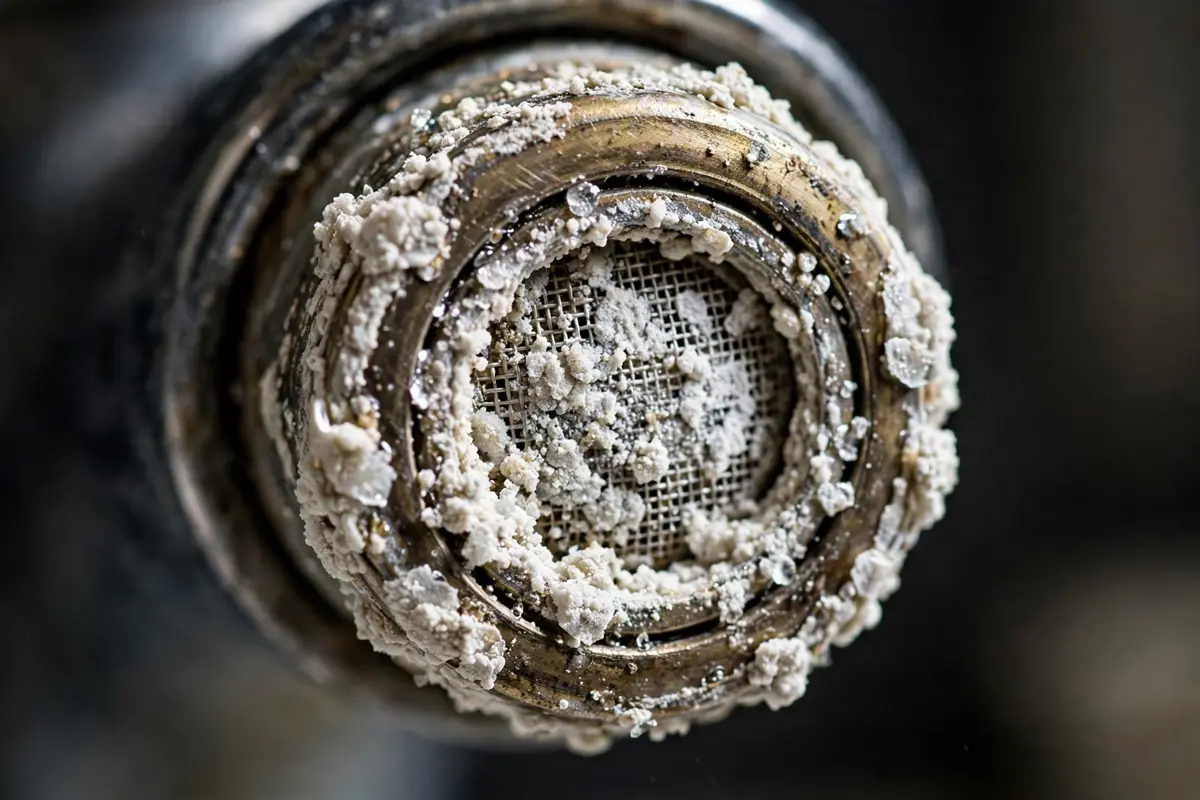
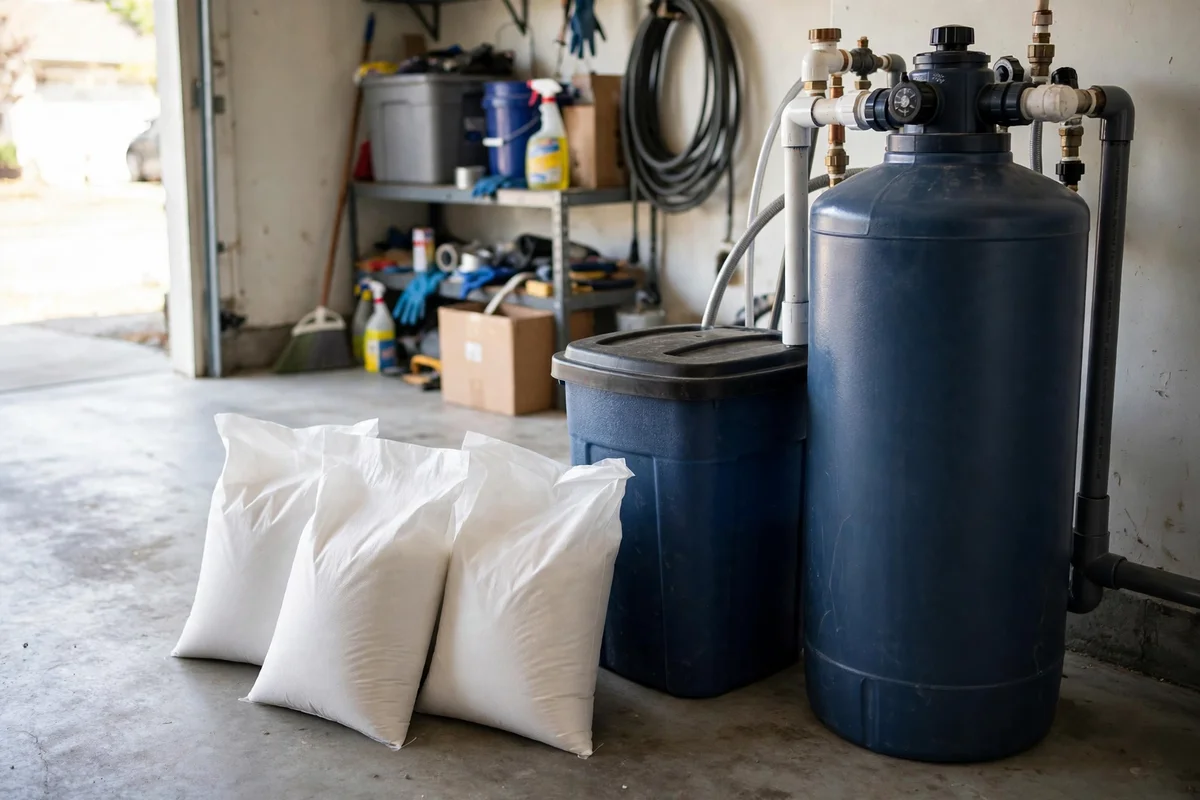
Anaheim water is very hard, and West Anaheim's original-era heaters and fixtures have lived with it for decades. Scale shortens heater life and clogs fixtures, so descaling and softener conversations belong alongside any heater job.
West Anaheim gives clear warnings: warm floors, rising bills, slow drains and fading pressure. All four reward an early call.
A warm spot on a slab floor
A warm patch usually means a hot-water line leaking under the concrete. It will not stop on its own, and the longer it runs the more the slab and flooring are affected.
A water bill that jumps with no change in use
A sudden spike usually means a leak somewhere out of sight, often a running toilet or a slab leak. Isolating the line finds it before the wrong part of the floor is opened.
A drain that re-blocks after clearing
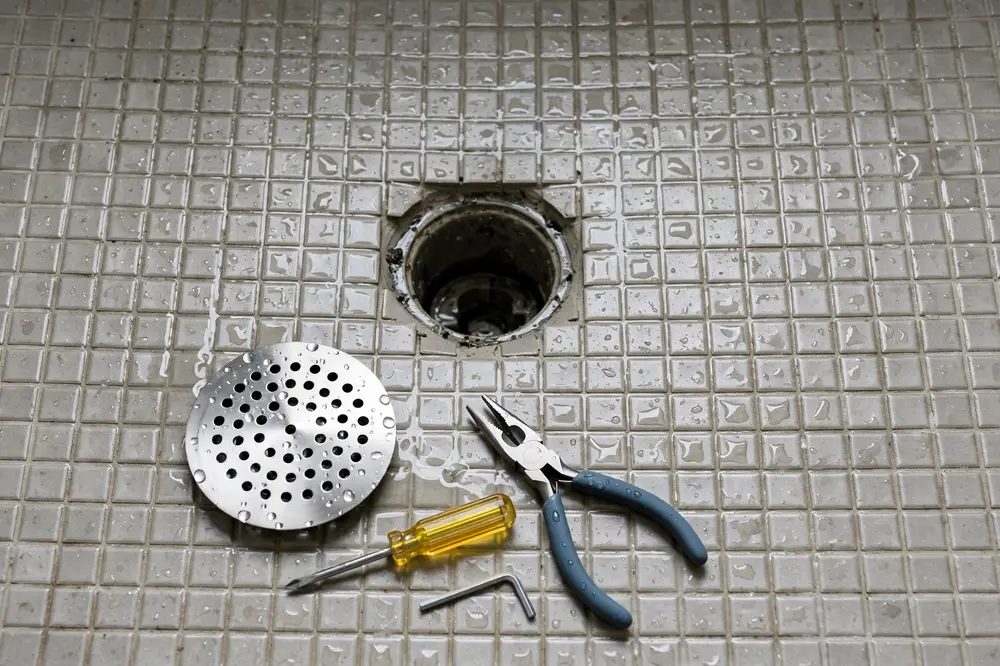
A lateral that keeps re-blocking may have roots or a damaged section. A camera run distinguishes a root problem, which jetting may handle, from a break that needs repair.
Pressure fading across the house
House-wide pressure loss in a post-war ranch points at galvanised corrosion. Note whether one fixture or all of them are affected; it changes the diagnosis.
Damp ground or ponding near the slab in winter
Flatland lots pond in winter storms, and saturated ground stresses slab lines and laterals. Soggy spots that persist after rain are worth mentioning when you call.
West Anaheim is the reference case for post-war Anaheim plumbing, and its angles are the ones other areas are measured against.
No area in Anaheim matches West Anaheim for slab-leak density: 1950s and 1960s ranches on slabs, with galvanised supply and cast-iron drains at end of life. Slab leak repair is the signature job here.
Small-lot density means a sewer failure or a slab leak in one home quickly affects neighbours, through shared ground, shared lines or simply shared soil conditions. Neighbour reports are useful evidence, not gossip.
Condos, townhouses and apartment blocks sit alongside the ranches, bringing HOA coordination and shared stacks into jobs that look single-family from the street. The approach differs by building type.
Park plumbing turns on a question that must be answered per park: which lines are park-owned and which are home-owned, and how billing runs. This page does not generalise that answer across parks.
Our service area is Anaheim only. This page does not draw a boundary for West Anaheim, which sits on the western side of the city. If you are unsure whether an address is in Anaheim, call (657) 680-4140.
Rated 5.0 stars from 9 reviews on Google. The reviews below are shown verbatim.
Effortlessly installed our water tank!
นางสาวสุรีรัตน์ เครือบคนโท
5-star Google review
I expected a straightforward process, and that's what happened once coordination with building management was sorted; the plumber installed the new water heater efficiently in about two hours. He made sure to check all connections before leaving, which was reassuring.
CLAIRE TURNER
5-star Google review
The quote was upfront, and the plumber spent a good hour carefully tracing the leak to an unexpected joint behind a shelf, which was more thorough than my previous experience with another company that missed it entirely. I appreciate that he used a temporary seal until he could return with the proper parts later in the week.
พิชามญชุ์ กองทอง
5-star Google review
West Anaheim's year is set by slab lines, roots and winter rain on flat ground.
Spring reveals winter's slab and lateral damage: warm floor patches, damp edges and drains that slowed over the wet months. It is the season for location work and camera checks.
Tip: Check for slow drains and soggy spots after winter rain, and note any drain that backed up over winter.
Summer stresses heaters and irrigation lines, and scale buildup in very hard water finally clogs fixtures that limped through winter. A jumping water bill in summer usually means a hidden leak.
Tip: A water bill that jumps in summer usually means a hidden leak; note it before you call.
Fall is root season. Roots seek water as growth slows, and laterals that were quiet all summer start re-blocking. A camera look in fall can prevent a winter backup.
Tip: A drain that slows in fall is worth a camera check before winter rain arrives.
Winter rain ponds on flat slab-grade lots and saturates the ground around laterals. Backups and slab leaks that were borderline in dry months show up now, when the soil is wettest.
Tip: After heavy rain, note any ponding near the slab and any drain that slows; both are useful details when you call.
West Anaheim sits among other Anaheim areas, each with its own plumbing story. The pages below are all inside Anaheim, and each one is written from that area's own housing and land use.
(Anaheim)
1950s and 1960s tracts and condos across the northern part of the city, combined on one page.
View North / Northwest Anaheim(Anaheim)
The Euclid Street corridor in north Anaheim, a corridor page rather than a bounded neighbourhood.
View North Euclid Corridor(Anaheim)
The City-designated mile of Brookhurst Street, from Lincoln Avenue to Ball Road.
View Little Arabia(Anaheim)
The civic and commercial core, with the Packing District, the Promenade and loft and apartment blocks.
View Downtown Anaheim(Anaheim)
Mid-century homes and apartment blocks across the southern part of the city.
View South Anaheim(Anaheim)
Hotels, restaurants and the Convention Center, where commercial plumbing runs at a very different scale from a single-family home.
View Anaheim ResortReal answers from our team for the questions we hear most often before a job starts.
If you have a warm spot on the floor, a drain that keeps re-blocking or pressure fading across the house, call (657) 680-4140. We are open 24 hours, Monday through Sunday.
Call (657) 680-4140 for plumbing in West Anaheim. We are open 24 hours, Monday through Sunday, by phone only. Our office is at 1282 S Magnolia Ave, Anaheim, CA 92804. Tell us the home's era and what you are seeing, and we will talk through the next step.
Phone
(657) 680-4140Address
1282 S Magnolia Ave, Anaheim, CA 92804
Hours
Open 24 hours, Monday–Sunday